 BoxDiegen
· Paper Bag
BoxDiegen
· Paper Bag
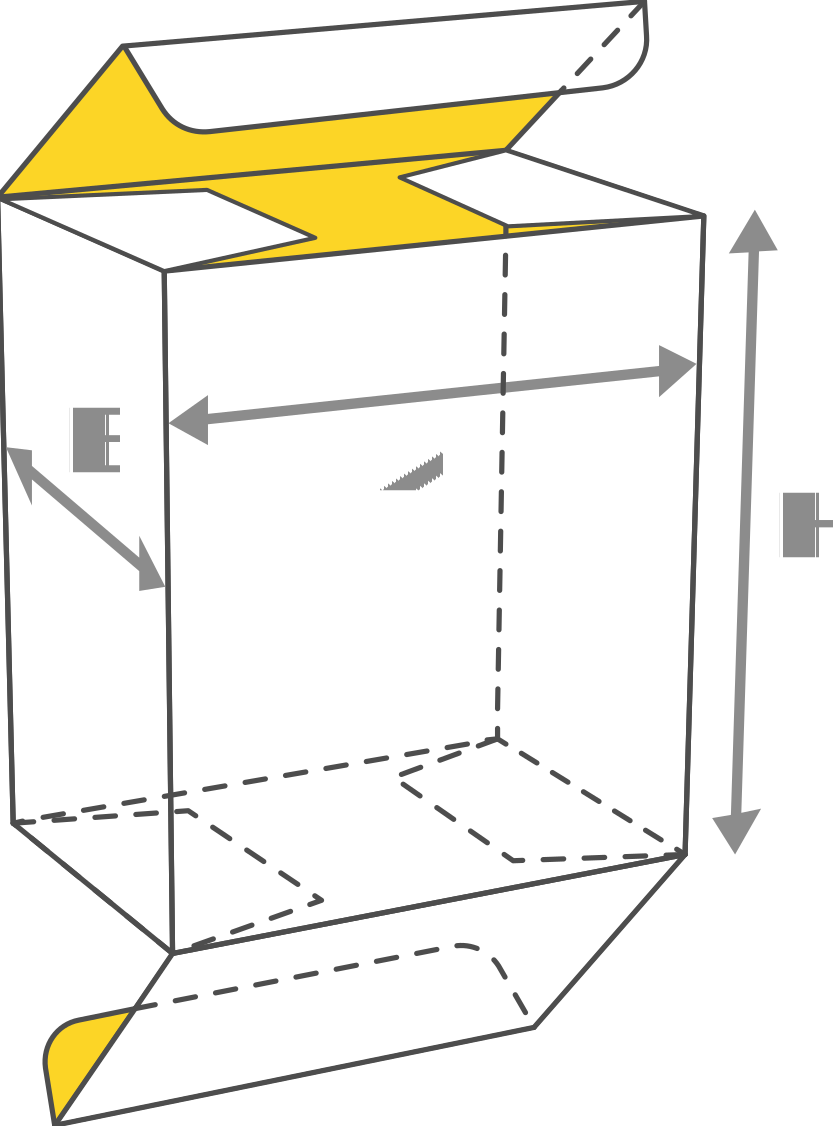
Professional packaging dieline generator.
This generator draws the dieline for a classic paper bag with side gussets and a pasted bottom, in SOS self-opening style or flat bottom style. Enter the bag size you need and export the template free as PDF and SVG.
A paper bag is formed from a tube of paper with a gusset folded into each side, a glued side seam and a folded, pasted bottom. The gussets let the bag fold completely flat for storage, then open into a rectangular base that stands upright on a counter. SOS stands for self-opening style: the bottom is shaped so the bag opens into its standing form with a quick flick, which is why shop staff can pack so quickly with them.
The flat bottom variant is simpler, with a straight folded base, and is common for lighter duty bags. Both styles come from the same family of dieline: two wide face panels, two gusseted side panels, a glue flap for the seam and an internal flap that strengthens the pasted bottom. Retail shops, bakeries, pharmacies and takeaway food outlets all use this bag format every day.
Bag sizes are face width, gusset depth and height, in that order. These popular sizes cover most shop uses.
| Size (W × D × H) | Typical use |
|---|---|
| 120 × 90 × 380 mm (4.7 × 3.5 × 15 in) | Single bottle bags |
| 160 × 80 × 250 mm (6.3 × 3.1 × 9.8 in) | Small shopping and gift bags |
| 200 × 100 × 300 mm (7.9 × 3.9 × 11.8 in) | Bakery, grocery and pharmacy bags |
| 250 × 120 × 350 mm (9.8 × 4.7 × 13.8 in) | Clothing retail bags |
| 320 × 150 × 420 mm (12.6 × 5.9 × 16.5 in) | Large shopping bags |
Bag strength comes from the paper and the bottom paste. Use a strong kraft paper for grocery and takeaway bags, and make sure the bottom fold is fully pasted and pressed while it sets, because the bottom seam carries the whole load. If the bag will hold bottles or jars, test it loaded and consider a second bag rather than a bigger size.
In the file, red is the cut line, green dashed is a fold and blue dotted is a perforation. Print at 100 percent scale and fold a sample bag completely, including the bottom, before production. Note that this dieline covers the bag body: carry handles, where a design needs them, are a separate part added during bag making.
What does SOS mean for a paper bag?
SOS stands for self-opening style. The bottom of the bag is folded in a shape that springs open into a flat, standing base when the bag is opened, so it can be filled quickly with one hand. It is the standard grocery and retail bag construction.
What is the gusset size B used for?
B is the depth of the fold in each side of the bag. It decides how wide the bag opens and how thick the packed items can be. A small gusset suits flat items like cards and booklets, while food containers and boxes need a deeper gusset.
Is the paper bag dieline generator free?
Yes. It is free to use, with no signup, and you can create and download unlimited bag dielines as PDF or SVG.
Does this dieline include handles?
No. The template produces the bag body with its gussets, seam and bottom, which is the part a dieline defines. Twisted or flat handles are attached separately during bag production when a design calls for them.
Which paper should I use?
Kraft paper is the standard choice for shopping, bakery and takeaway bags because it is strong and folds well. Match the material setting in the generator to the thickness of your stock so the gusset folds land in the right place.
Can I use the dieline for bags I sell or give to customers?
Yes. You can use it for commercial bag production for your own shop or for client work. Fold and paste a complete sample bag first and load it with your typical products to check the size and the bottom.
Cake Box Auto Bottom · Mailer Box · Tuck End Box · Simple Tray